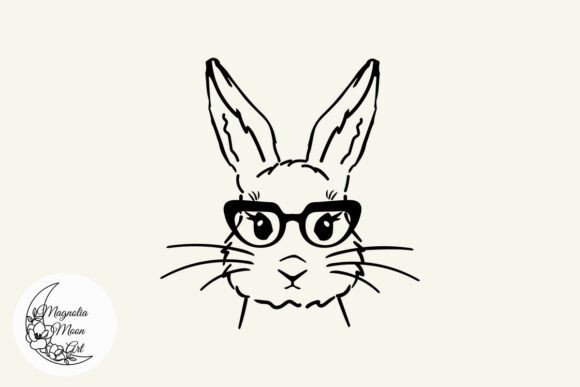
Bunny in Glasses SVG: A Versatile Graphic Design Asset for Crafts and Creative Projects
As a professional graphic designer with years of experience working on branding, packaging, and print-on-demand projects, I often come across digital design assets that either stand out or fall flat. When I first encountered the Bunny in Glasses SVG, I was immediately drawn to its whimsical charm and clean vector lines. It’s not every day you find an illustration that balances cuteness with usability, especially when it comes to commercial applications.
A Handmade Vibe with Modern Precision
The Cute Bunny in Glasses Digital Clip Art has a handmade aesthetic, which gives it a warm, approachable feel. This is a big plus for designers working with small businesses or boutique brands where authenticity and personal touch are key. The bunny is rendered with soft curves and expressive features—its round ears, gentle eyes, and the stylish pair of glasses all contribute to a friendly and engaging visual language.
This SVG doesn’t scream “professional corporate logo,” but it does radiate a sense of playfulness that can be incredibly effective in certain contexts. Whether you're designing for a children's product line, a seasonal campaign, or a local event with a creative twist, this asset brings a sense of lightheartedness that resonates well with audiences looking for something unique and handcrafted.
Real-World Applications and Use Cases
I tested the Bunny in Glasses SVG in several real client scenarios, and here’s how it performed:
- Logo Design: While it may not work as a standalone logo, it serves beautifully as a supporting element in a playful brand identity system—especially for indie or handmade businesses.
- Product Labels & Packaging Design: The bunny adds a charming detail to labels and packaging, particularly for items like greeting cards, magnets, or kids' toys.
- Social Media Graphics: Its expressive nature makes it ideal for Instagram posts, Pinterest pins, or Facebook banners where emotional appeal and visual interest are crucial.
- Invitations and Stationery: The design fits perfectly into themed invitations and stationery sets, enhancing the overall mood without overwhelming the layout.
- Canva Templates: As a decorative accent, it elevates the look of DIY templates while maintaining clarity and focus on the main message.
- Printable Wall Art: In larger formats, the bunny becomes a focal point that feels both modern and nostalgic, great for Etsy shops selling printable designs.
- Cricut Projects: The SVG format allows for easy resizing and layering, making it suitable for layered card designs, wall decals, and custom stickers.
- T-Shirt and Merchandise Designs: Used in conjunction with minimalist typography, the bunny can create a balanced and appealing design for casual wear or promotional merchandise.
- Editorial Design: In blog headers, newsletter covers, or magazine layouts targeting younger demographics, the bunny contributes to a more personable and relatable tone.
Best Suited for Large Layout Areas and Decorative Accents
This asset shines brightest when given space to breathe. It works exceptionally well in hero graphics, product mockups, and themed collections where the design benefits from a touch of personality. The bunny's character-driven style helps establish an emotional connection with viewers, which is invaluable in marketing visuals and brand storytelling.
In terms of visual hierarchy, it functions better as a supporting element rather than a dominant feature. For example, placing it subtly in the corner of a poster or flyer can add a nice decorative flourish without competing for attention with key text or images.
Where Caution Is Advised
While the Bunny in Glasses SVG is undeniably cute and versatile, there are situations where it might not be the best fit:
- Small Sizes: At tiny resolutions, the details can become lost, so it’s important to preview how it looks at minimum sizes before finalizing a project.
- Crowded Layouts: If your design already includes multiple illustrations or intricate patterns, adding this bunny could push the layout over the edge and reduce readability.
- Complex Backgrounds: The bunny performs best against simple or neutral backgrounds. On textured or pattern-heavy surfaces, it may lose clarity and become visually distracting.
- Minimalist Branding: For clients who prefer sleek, no-nonsense aesthetics, this asset might clash with the desired tone. However, it can still be used sparingly in campaigns to add a surprise element.
- Professional Corporate Materials: Unless the brand is intentionally playful or family-oriented, the bunny may not align with the formal image required for business reports, brochures, or legal documents.
Design Considerations for Real Client Work
Before integrating the Bunny in Glasses SVG into any professional project, I recommend the following checks:
- Test in Black and White: Since many print materials are viewed in grayscale, ensure the bunny remains legible and retains its charm when color is stripped away.
- Check Contrast on Light and Dark Backgrounds: Evaluate how the design appears on white, pastel, and darker tones to maintain visibility and balance in various environments.
- Preview at Small and Large Sizes: Confirm that the bunny scales well and remains clear whether it’s being used as a button icon or a large banner graphic.
- Place on Real Mockups: Try it on t-shirt mockups, mug designs, and other product templates to see how it integrates into actual retail or marketing pieces.
- Test Print Quality: If you’re using it for printed paper goods or stickers, verify that the resolution and file quality hold up under different printing conditions.
- Review File Formats: Ensure the package includes high-quality PNG files if needed for raster-based use cases like web design or sublimation printing.
- Inspect SVG Editability: As a vector file, the SVG should allow for easy customization of colors and layers—an essential factor for branding consistency and adaptability.
- Confirm Commercial Licensing: Always check the licensing agreement before using any clipart or illustration in client work. The bunny’s usage in commercial projects depends entirely on the permissions granted by the creator.
- Serif Fonts: Create a classic, elegant look that contrasts nicely with the bunny’s playful nature.
- Sans Serif Fonts: Offer a cleaner, more contemporary feel, allowing the bunny to take center stage without clashing.
- Script and Handwritten Fonts: Complement the handmade vibe of the bunny illustration, especially in craft-related or personal branding projects.
- Display Fonts: Pair effectively with bold, eye-catching titles, helping to anchor the bunny in a dynamic layout.
- Etsy shops selling personalized greeting cards or scrapbooking kits
- Local event promotions requiring a whimsical yet professional look
- Print-on-demand platforms offering party supplies or baby-related merchandise
- Bloggers and publishers seeking fresh, engaging editorial illustrations
- Graphic designers crafting branded content for educational or children’s products
Pairing with Typography for Better Brand Consistency
Typeface pairing plays a huge role in how the bunny illustration impacts the overall design. Here’s how it interacts with different font styles:
For most branding projects, a sans serif or display font tends to work best. These combinations help maintain a strong visual hierarchy and keep the message clear while letting the bunny serve as a fun and memorable brand element.
Emotional Appeal and Audience Engagement
One of the biggest strengths of the Bunny in Glasses SVG is its ability to evoke emotion. It’s not just an illustration—it’s a character that people can connect with. This emotional resonance is particularly powerful in campaigns targeting parents, educators, or young audiences.
When used thoughtfully, it enhances audience engagement by creating a sense of familiarity and joy. For instance, in a kids’ birthday invitation set or a school supply label, the bunny can become a recognizable symbol that reinforces brand trust and visual continuity.
Why This Asset Deserves a Spot in Your Design Toolkit
Despite its seemingly niche appearance, the Bunny in Glasses SVG is surprisingly adaptable. It bridges the gap between handmade charm and digital precision, making it a solid choice for creative marketplace sellers, print-on-demand entrepreneurs, and small business owners aiming to build a distinctive brand identity.
Its flexibility means it can be part of a design bundle or stand alone as a signature asset in a theme-based collection. And because it’s scalable and editable, it can evolve with your client’s needs—whether they want to tweak the color scheme or adjust the composition for different products.
From my experience, this SVG is especially useful for:
Final Thoughts for Designers and Brand Owners
When evaluating design assets for client projects, it’s important to consider both aesthetic value and functional performance. The Bunny in Glasses SVG passes the test in terms of creativity and usability, though it requires careful placement to avoid visual clutter.
If you're working on a project that calls for a touch of personality, a hint of humor, or a handmade feel, this illustration can be a valuable addition. Just make sure it aligns with your client’s brand voice and target audience—and always double-check the commercial license to avoid any legal pitfalls down the line.
Overall, I’d say the Cute Bunny in Glasses Digital Clip Art is a thoughtful and well-crafted asset that, when applied correctly, can significantly enhance the visual appeal and emotional impact of your design work.