Pring Pattern Background Review: A Designer’s Take on Spring Embroidery Assets
As a designer who spends more time staring at stitch density charts and fabric swatches than I care to admit, I am always skeptical of new digital assets. The market is flooded with "spring patterns" that look beautiful in a flat JPEG but fall apart the moment they hit the embroidery hoop. Today, I am putting Pring Pattern Background under the microscope. This isn’t just about whether it looks pretty; it is about whether it works for real-world projects, from high-volume Etsy shops to one-off custom gifts.
First Impressions: Mood and Visual Personality
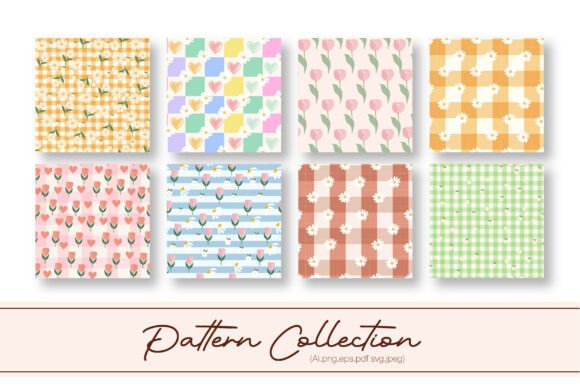
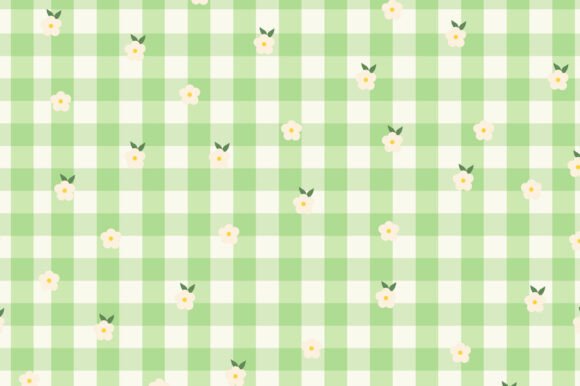
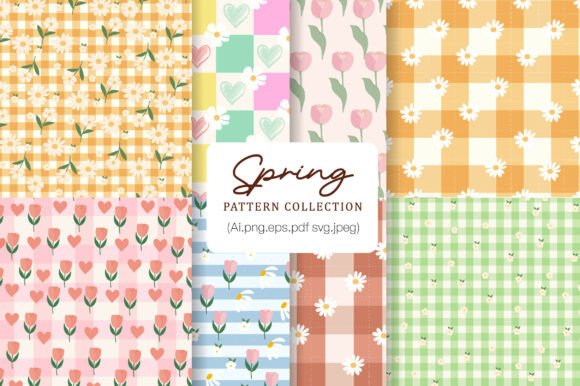
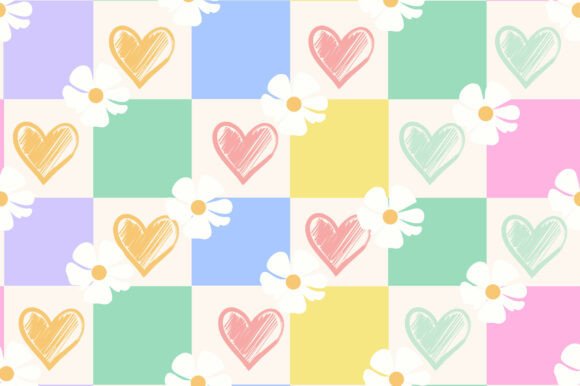
The first thing you notice with Pring Pattern Background is its versatility. It doesn’t scream for attention; instead, it sets a stage. The mood is light, airy, and undeniably seasonal without being cliché. For an embroidery designer, this is crucial. You don’t always want the design to be the loudest thing in the room—sometimes, you need a background that supports the main motif, like a monogram or a specific character.
Visually, the pattern feels balanced. The layout avoids clutter, which is a common pitfall in spring-themed graphics. There is enough detail to keep the eye engaged but not so much that it becomes muddy when digitized. When I first opened the files, I immediately thought about how this would translate into machine embroidery design formats. The clean lines suggest that the underlying vector structures (EPS, AI, SVG) are well-organized, which is half the battle when preparing a file for stitching.
Real-Life Application: The Custom Tote Bag Scenario
Let’s talk about a practical use case. Imagine you are an Etsy seller preparing for the upcoming wedding season or a summer craft fair. You have a client who wants a personalized gift bag for a bridal party. They want something elegant but fun. This is where Pring Pattern Background shines.
I visualized placing a large, centered monogram on a canvas tote bag, surrounded by this seamless pattern as a border or a full background fill. Because the pattern is seamless, it can wrap around edges or tile across a large area without awkward breaks. In a real production run, this saves time. You aren’t fighting with alignment issues every time you load a new piece of fabric. The result is a handmade product that looks professionally finished, elevating the perceived value of the item. Customers are far more likely to leave a five-star review when the embroidery aligns perfectly and the design feels intentional rather than slapped on.
Performance Across Different Mediums
One of the strengths of receiving this asset in multiple formats—including JPG, EPS, AI, SVG, and PDF—is the flexibility it offers different types of creators. Here is how Pring Pattern Background performs in various scenarios:
- Custom Apparel & Sweatshirts: On a heavyweight cotton sweatshirt, this pattern works beautifully as an all-over print effect if using transfer methods, or as a delicate background for lettering. However, for direct machine embroidery, you must consider the weight. If the pattern is too dense, it will make the garment stiff and uncomfortable.
- Baby Items & Nursery Decor: The soft, spring-like theme is perfect for baby clothes, burp cloths, and nursery wall art. The gentle aesthetic appeals to parents looking for personalized gifts. When digitized, ensure the stitches are slightly softer to maintain the plush feel of baby fabrics.
- Kitchen Towels & Aprons: These are staple items for any craft business. A spring pattern on a linen tea towel adds a touch of elegance to kitchen decor. The pattern’s scalability means it can fit neatly in the corner of a towel or span the entire width, depending on your customer’s preference.
- Digital Product Sellers: If you sell digital embroidery files or printable mockups, having access to the source vectors (AI/EPS) is invaluable. You can easily change colors, scale elements, or combine them with other graphics to create unique listings without needing to redraw everything from scratch.
Where to Exercise Caution
No design is perfect for every situation. As an experienced reviewer, I need to highlight where Pring Pattern Background might present challenges. Understanding these limitations will save you from ruined fabric and frustrated clients.
- Small Hoop Sizes: If you attempt to stitch this pattern in a very small hoop (4x4 inches or smaller), fine details may become indistinguishable. The eye cannot resolve tiny stitches from a distance. Reserve this design for medium to large hoops where the viewer has space to appreciate the texture.
- Textured and Stretchy Fabrics: Avoid using this on highly textured fabrics like chunky knits or heavy wools, as the pattern will get lost in the weave. Similarly, on stretchy fabrics like jersey knit, ensure you use adequate stabilizer. Without proper support, the pattern may pucker or distort, ruining the embroidery project.
- Dark Fabrics: While versatile, light-colored spring patterns can struggle for contrast on dark backgrounds unless you use a heavy underlay or a contrasting thread color. Always test this on your actual base material before committing to a batch.
- Curved Surfaces: Applying this to caps or curved hat panels requires careful digitization. Patterns that work flat often distort on curves. You may need to adjust the placement or scale to accommodate the curvature.
Designer’s Notes for Execution
To get the most out of Pring Pattern Background, follow these practical steps before you start stitching:
- Test on Scrap Fabric: Never go straight to the final product. Stitch a sample on scrap fabric that matches the weight and texture of your intended material. This helps you assess stitch density and potential puckering.
- Check Thread Color Contrast: Use your machine’s preview feature or a digital mockup tool to see how different thread colors interact with the pattern. High contrast usually yields better clarity, especially for intricate details.
- Review Stitch Types: Depending on the digitization, the pattern may utilize a mix of satin stitch, fill stitch, and running stitch. Ensure the balance is right. Too many satin stitches can make the fabric rigid; too much fill can take forever to stitch.
- Black and White Mockup: Convert your design to black and white to check the value structure. If the pattern disappears in grayscale, it may lack sufficient contrast in color as well.
- Confirm Licensing: Before selling finished items, double-check the license terms included in the zip file. Some designs allow commercial use for physical goods but restrict resale of the digital files themselves. Protect your small shop product business by staying compliant.
Final Verdict
Pring Pattern Background is a solid addition to any designer’s asset library. It is not a flashy, over-the-top design that demands to be the center of attention. Instead, it is a reliable, professional-grade background that enhances other elements and adds polish to custom apparel and home decor items.
For embroidery designers looking to streamline their workflow, the variety of file formats provided is a significant plus. Whether you are creating a tote bag design for a boutique client or adding a subtle touch to a holiday embroidery collection, this pattern delivers consistent quality. Just remember to respect the fabric, choose the right stabilizer, and always test before you sell. When used correctly, Pring Pattern Background transforms simple garments into memorable, finished products that customers will love.